


Gladys Porter Zoo Celebrates Historic Crocodile Hatching
Gladys Porter Zoo staff are proud to announce the successful hatching of a critically endangered Cuban crocodile, marking a historic milestone for the Zoo and for the conservation of this species. After 55 years of maintaining and attempting to breed this inquisitive, athletic crocodilian, the first Cuban crocodile to hatch at the Gladys Porter Zoo has proven it was worth the wait!
“This hatching represents years of trial and error that culminated into a significant moment for the Gladys Porter Zoo and for the conservation of this species,” said Clint Guadiana, Curator of Herpetology. “Successfully breeding and hatching Cuban crocodiles requires patience, dedication, an in-depth understanding of the species’ social etiquette, and a little bit of ‘dating magic.’ We are incredibly proud of our animal care team and everyone involved in making this achievement possible.”
Speckled in black and yellow, the hatchling may grow to only 11 feet in length. Despite its short, stocky stature, its species-specific form and abilities will make it a formidable hunter and protector. Adult Cuban crocodiles are uniquely terrestrial and have reduced webbing on their back feet. This feature aids their ability to gallop on land at speeds approaching 22mph. They are also known to jump 6 feet off the ground or out of the water, an adaptation that allows them to capture prey items from low-hanging trees.
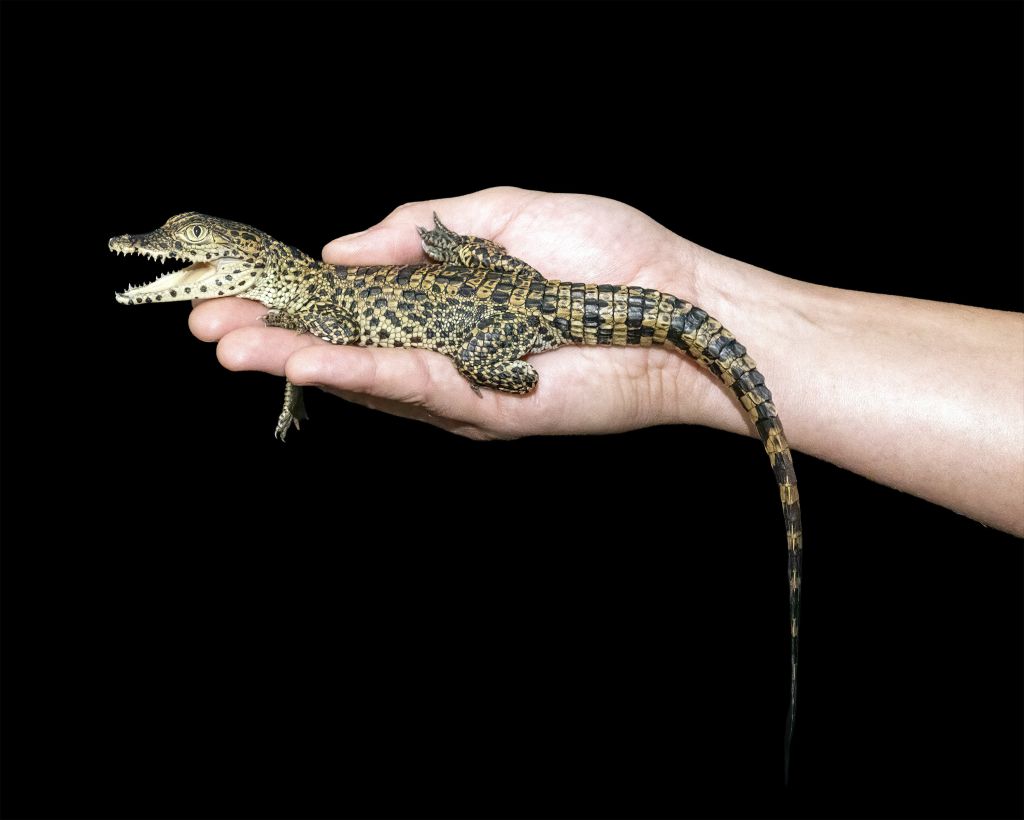
Cuban crocodiles are one of the most critically endangered crocodilian species worldwide. Once found throughout much of the Caribbean, the species’ entire range is limited to approximately 116 square miles within the southwestern region of Cuba’s Zapata Swamp. Their continued existence is threatened by illegal hunting, habitat modification, and hybridization with another crocodile species, the American crocodile. In 2022, the Association of Zoos and Aquariums (AZA) designated Cuban crocodiles a Saving Animals From Extinction (SAFE) program.
The newly hatched Cuban crocodile is currently being cared for behind the scenes and is reported to be doing well. He has been affectionately named “Toby” after renowned Cuban crocodile researcher, Dr. Roberto “Toby” Ramos-Targarona, who dedicated his life to the conservation and preservation of this species and many others.
“The Herpetology team and I are extremely proud and excited by this baby Cuban crocodile,” says Senior Herpetology Keeper, Francisco Llauger. “He is already feisty and eager to devour anything we offer him. He will remain with us for a couple of years while we work with the SAFE program leader to determine how he can best contribute to his species’ conservation and survival.”
It has been a very successful year for the Herpetology team. In addition to the Cuban crocodile, staff have also successfully hatched other endangered species, such as Philippine crocodiles, Mangshan pit vipers, psychedelic rock geckos and Orinoco crocodiles.
The Gladys Porter Zoo has a long history of breeding and caring for endangered species and remains committed to its mission of preserving nature through conservation and education. These historic hatchings are the latest examples of the Zoo’s ongoing efforts to protect vulnerable wildlife and inspire future generations to care about the natural world.
For more information on AZA SAFE, visit www.aza.org/aza-safe.